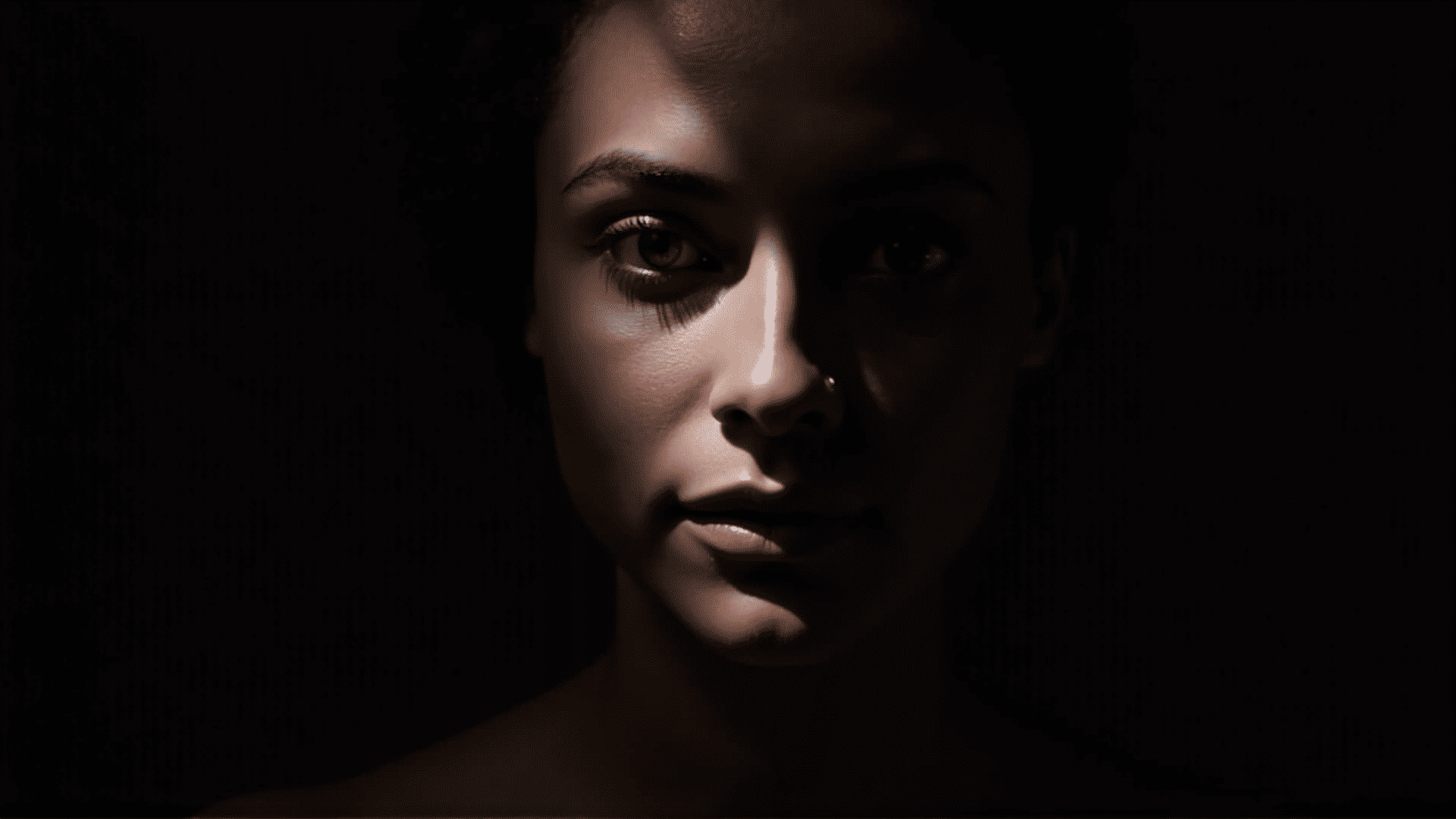
Understanding and mastering the use of light can be the key to creating compelling and memorable images. Whether you are capturing the glow of a sunset, the sharp contrast of a portrait, or the tranquility of a shadowed landscape, light plays a crucial role in setting the mood and enhancing the story within each photograph. This guide will explore various techniques to leverage both natural and artificial light, transforming ordinary photos into visual masterpieces.
Harnessing Natural Light
Natural light is a powerful tool for photographers and is often the most accessible. However, it demands an awareness of its ever-changing nature. Here are some tips for utilizing it effectively:
-
Golden Hour: The time shortly after sunrise and before sunset offers a soft, warm light, perfect for capturing portraits and landscapes. The sun being low in the sky helps reduce harsh shadows and provides a flattering glow.
-
Magic of Diffusion: On overcast days, clouds act as a natural diffuser, spreading light evenly and minimizing shadows. This can result in a dreamy, soft effect that's ideal for wildlife and macro photography.
-
Backlighting for Drama: Positioning the light source behind your subject can create a halo effect or a silhouette, adding depth and drama to your images. Experiment with different angles to discover unique outcomes.
-
Window Lighting: Indoor photographs benefit immensely from window light. Soft, directional light from a window can highlight details and add a natural element to still-life or portrait shots.
Mastering Artificial Light
When natural light is insufficient, artificial lighting can be creatively manipulated to achieve desired effects.
-
Dynamic Flash Usage: Flash isn’t just for low-light situations. It can be used to fill shadows and balance strong backlighting. Try bouncing the flash off ceilings or walls to diffuse its intensity.
-
Studio Lighting Techniques: Using softboxes and umbrellas can help shape light precisely, giving you control over the texture and depth of your compositions. Experimenting with different angles and intensities can transform how the subject is perceived.
-
Light Painting: This technique involves moving a light source across a scene during a long exposure, allowing for whimsical or surreal effects. It's ideal for creative portraits and night photography.
-
Understanding Color Temperature: Mastering color temperature is crucial when blending different types of light sources. Cooler light can make your subject appear clinical or ethereal, while warmer tones evoke coziness and intimacy.
Combining Elements
The true artistry in photography often comes from mixing different types of light. Implementing these strategies in harmony allows for a vast spectrum of results:
-
Ambient and Artificial Fusion: Using ambient light with a pop of artificial light can highlight specific features of a subject while maintaining the atmosphere of the setting.
-
Layering for Texture: Using multiple light sources can add layers to your photograph, enhancing texture, shadow, and highlight details.
-
Reflect and Refract: Mirrors and reflectors can bounce light into shadowed areas, providing an interesting interplay of light and shadow.
By understanding and applying these techniques, photographers can effectively manipulate light to craft compelling stories through their lenses. Explore these methods to enhance your creative vision and elevate the emotional impact of your photographs. Remember that experimentation is crucial, so allow yourself to play with different lighting scenarios, fostering your style and technique.