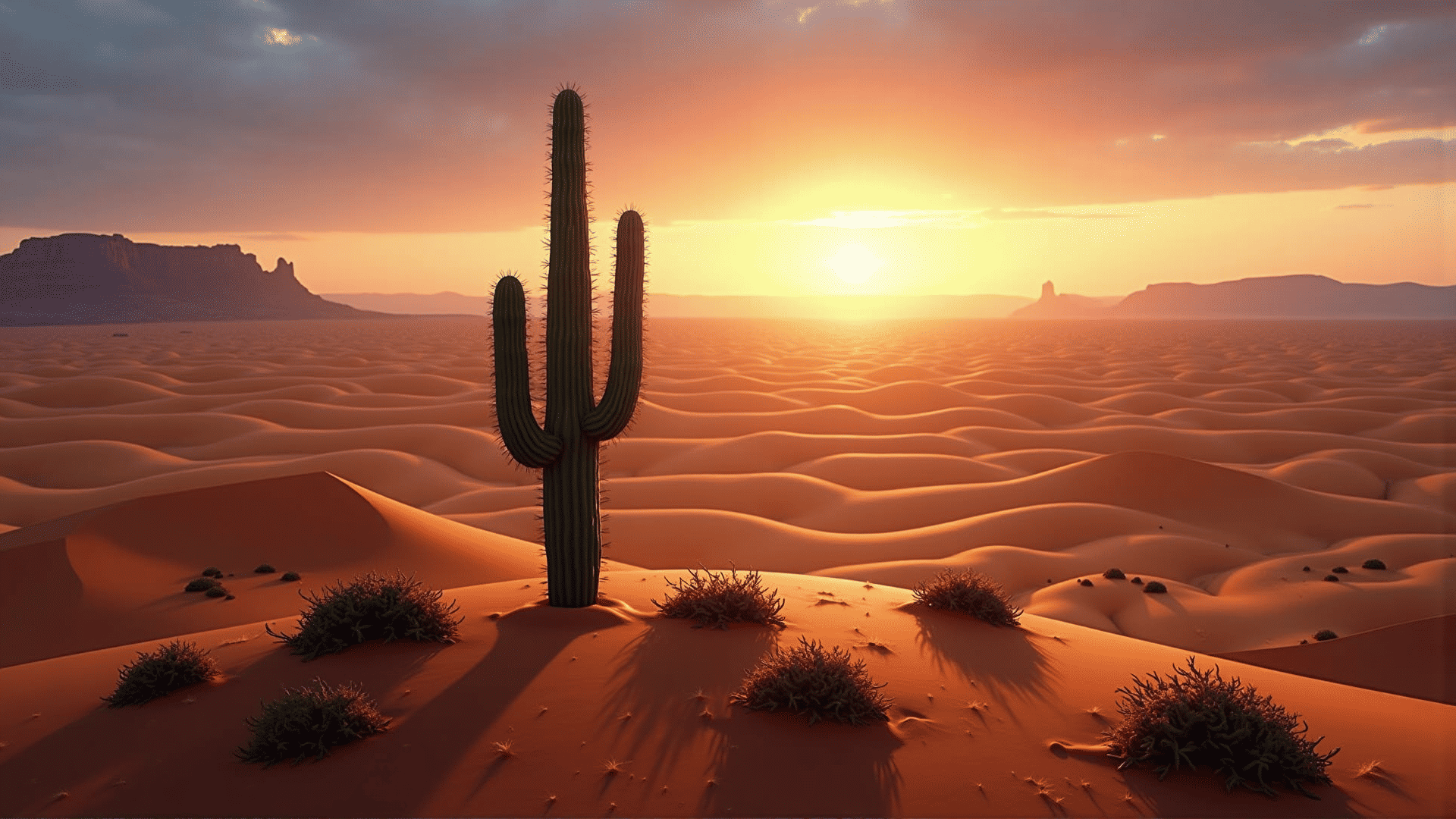
Exploring the diverse and captivating world of outdoor scenes through imaging can be both an exhilarating and rewarding experience. Capturing the essence of landscapes is a skill that blends creativity with technical expertise, allowing photographers to convey the vastness and richness of nature.
One fundamental technique in this style is utilizing the right lighting. The golden and blue hours are particularly magical for outdoor scenes. The golden hour, characterized by the soft, warm light after sunrise and before sunset, bathes landscapes in rich hues, enhancing textures and creating compelling contrasts. The blue hour, which occurs before sunrise and after sunset, offers a cooler light that can add a mystical quality to your imagery. Understanding and leveraging these periods can significantly impact the mood and depth of your compositions.
Mastering composition is another critical aspect. The rule of thirds is a timeless guideline that helps in creating balanced and interesting shots. By placing points of interest at the intersections of an imaginary grid divided into thirds, photographers can lead viewers’ eyes naturally through the scene. Leading lines, like rivers or pathways, draw the gaze into the distance, enhancing the sense of depth and scale.
Foreground interest can add dimension to an image. Including elements like rocks, flowers, or foliage not only enhances the sense of scale but also adds layers that bring depth to photographs. This technique pulls the viewer in, creating a captivating sense of place and time.
For those aiming to capture textures and details, focusing on elements like leaves, bark, or rippling water can showcase the intricate patterns found in nature. Playing with different aperture settings can creatively control the depth of field, either isolating these details with a shallow focus or including a wider view for context.
Reflection shots can also add a unique dynamic to outdoor scenes. Lakes, ponds, or even puddles can mirror the sky or surrounding environment, offering a surreal and symmetrical element to the photograph. When composing reflective shots, balance is key to ensure the reflection complements the main subject.
Weather conditions can dramatically alter the ambiance of landscape photographs. Mist, rain, or snow can add a moodiness or serenity to the scene, while cloudy skies can diffuse light evenly, reducing harsh shadows. Embracing the charm of different weather patterns can lead to unexpected and striking results.
Creative angles offer an unconventional perspective that can transform ordinary views into extraordinary compositions. Shooting from a lower or higher viewpoint can present a fresh take on familiar landscapes, capturing attention with novel perspectives.
Finally, practicing patience can yield rewarding outcomes. Waiting for the perfect moment when light, subject, and conditions align can turn a good picture into a great one. Be observant of the scene and ready to capture fleeting moments that might convey emotion, movement, or change.
In summary, portraying outdoor beauty involves a blend of timing, technique, and creativity. By mastering these elements, photographers can encapsulate the sheer vastness and intricate textures of outdoor scenes, thereby evoking a powerful connection between the viewer and the natural world.