Understanding how different lighting techniques can transform a photograph is essential for any photographer. The interplay of light and shadow can evoke mood, add depth, and create atmosphere, turning an ordinary photograph into an extraordinary piece of art.
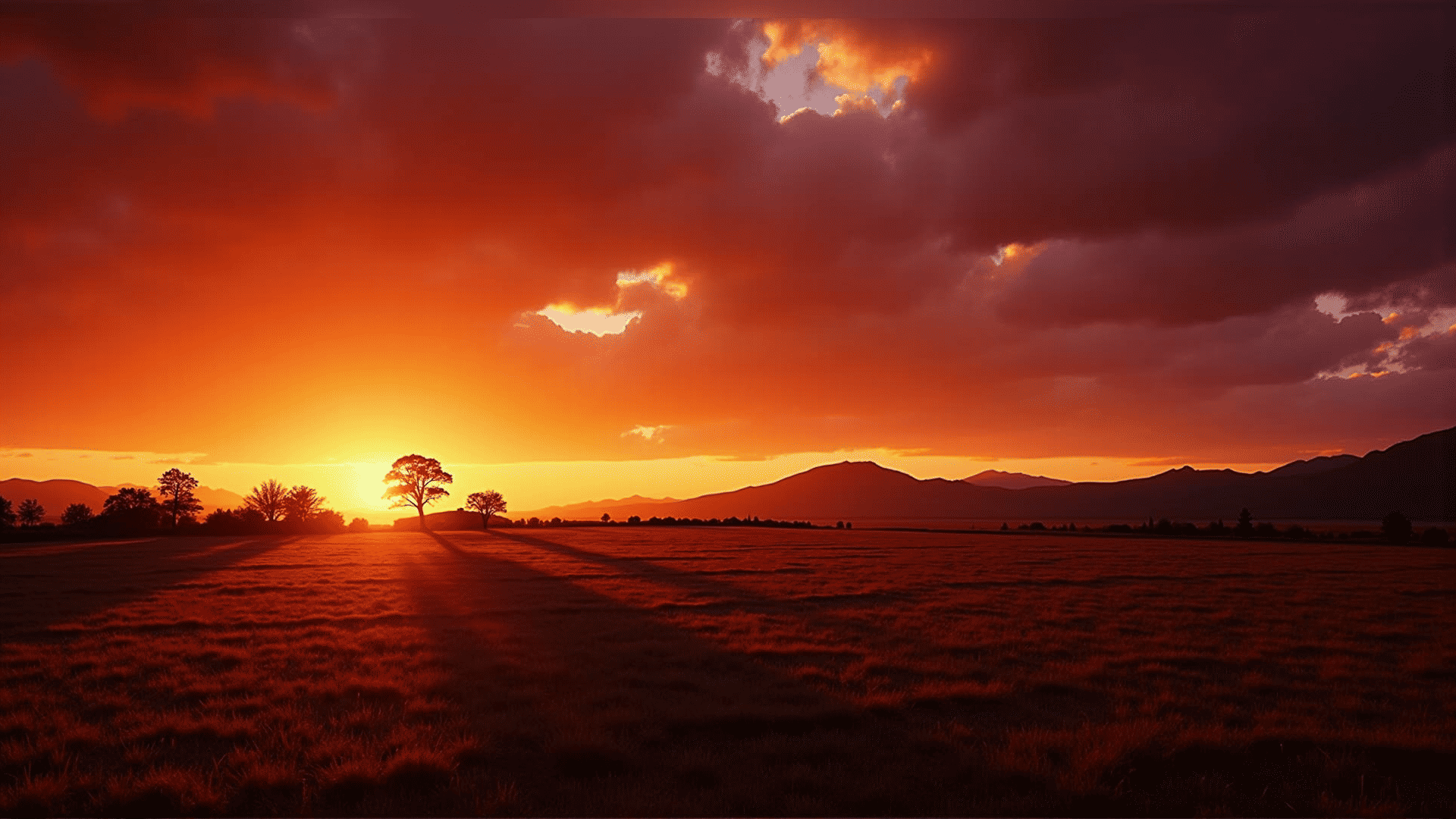
One fundamental technique is using natural light. It is free and available to everyone. Utilizing the golden hour, which is the period shortly after sunrise or before sunset, can add a warm, soft glow to your photographs. This can enhance the colors and details, making scenes more vibrant and subjects more flattering.
In contrast, harsh midday sunlight can create sharp shadows and high contrast between light and dark areas. However, this can be used creatively to add drama and intensity to an image. For instance, by positioning the subject in such a way that the shadows play an integral role in the composition, you can create a striking effect that draws the viewer’s eye.
Another technique to consider is using artificial light sources, such as studio lights or flashes. These tools offer control over the intensity, direction, and quality of light. By experimenting with different light modifiers like softboxes, umbrellas, or reflectors, photographers can create a soft, diffused light that minimizes shadows and highlights the subject’s features in a flattering way. This is particularly useful for portrait photography, where even lighting is crucial.
The direction from which light hits the subject can also significantly influence a photo. Side lighting, for example, can add depth and dimension by casting shadows on one side and highlights on the other. This can enhance texture and give a three-dimensional feel to a two-dimensional photograph. Front lighting, on the other hand, illuminates the subject evenly, often reducing the appearance of texture and shadows, making it ideal for certain portraits or product photography.
Backlighting can create striking silhouettes that outline the shape of the subject against a bright background. This technique is excellent for adding a sense of mystery or highlighting the form of the subject while keeping details minimal.
For those who wish to explore creative possibilities further, experimenting with colored gels on lights can transform a scene by altering the mood through color. A blue gel might give a scene a cold, moody atmosphere, while an orange or red gel can create a sense of warmth or urgency.
In low-light situations, long exposure is an invaluable technique. By keeping the camera’s shutter open longer, photographers can capture more light and details in dark environments. This technique is popular for capturing the movement of stars in the night sky or the flow of water, creating a dreamy effect.
Manipulating shadows is another powerful method for creating mood and intrigue. Shadows can be used to highlight certain aspects while concealing others, enabling photographers to guide the viewer’s perspective and emotional response.
Understanding these techniques and adapting them to different settings allows photographers to not only capture a scene but also to convey their artistic vision. By mastering light, photographers can transform their work, enhance their storytelling, and evoke the desired emotions in their audience. Light is more than a mere technicality; it is the brushstroke with which the canvas of a photograph is painted.